Slow Living

The Case for the Unproductive Morning

Fifteen minutes, one cup of coffee and no phone. It is the smallest change I made this year, and the only one that stuck.
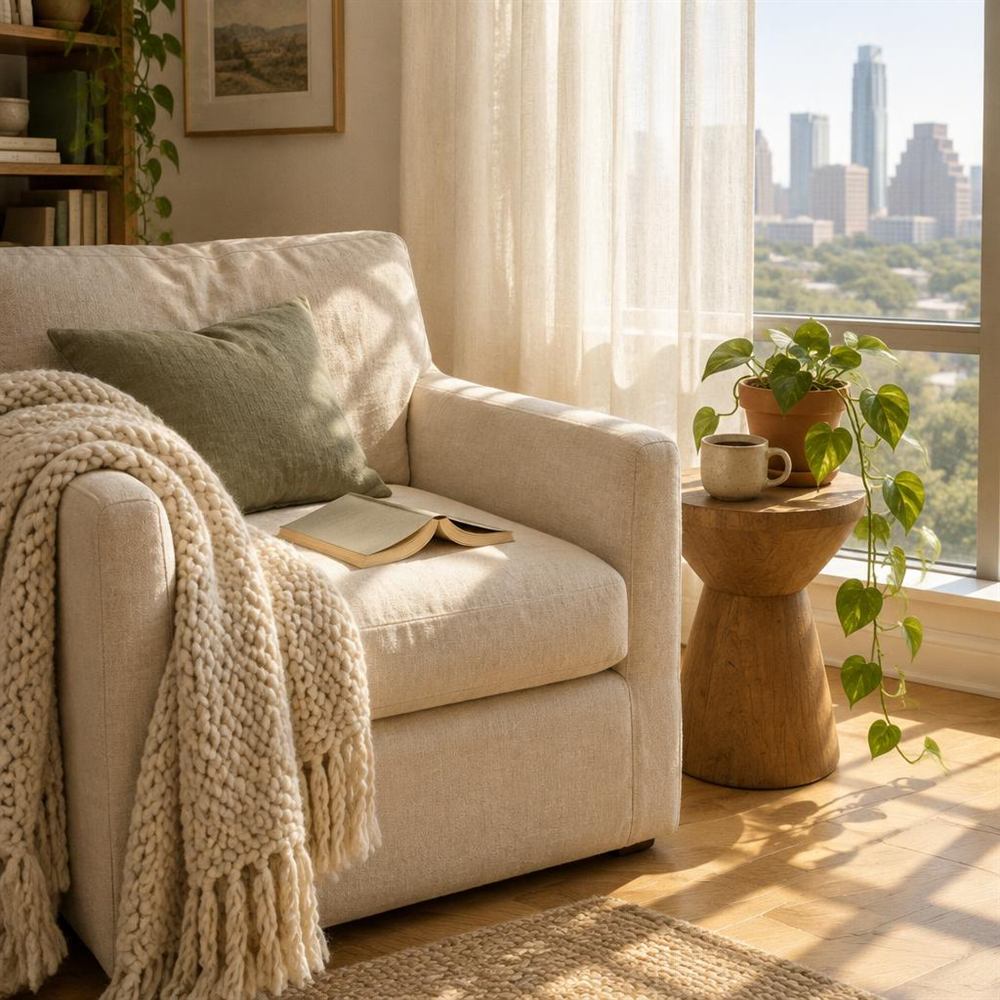
A cream linen armchair by a sunlit window, a knit throw over the arm, an open book on the seat and a ceramic mug of coffee on a small wooden table.
The chair by the window, and the only fifteen minutes of the day that are not spoken for.

For most of last year my mornings ran on the same script. The alarm went off, my hand found my phone before my feet found the floor, and by the time the coffee finished brewing I had already read three emails I could not answer and one headline I did not need. I was awake, technically. I was not actually there yet.

So in February I tried something that felt almost too small to count. I moved my phone charger from the nightstand to the kitchen counter, and I gave myself fifteen minutes in a chair before I touched it. No podcast. No list. Just a mug, a window, and whatever the morning happened to look like.

Not every day has to be big to be a good one.

The first week was uncomfortable in a way I did not expect. Fifteen minutes is nothing, and it felt endless. My brain kept reaching for something to do with the time — plan the week, answer the message I remembered at 6:40 in the morning, check whether it was going to rain. I let it reach, and then I let it settle, and somewhere around day nine it stopped reaching.

What I noticed after a month was not calm, exactly. It was margin. The day still filled up, but it did not start already full. I made fewer of the small frantic decisions you make when you are behind before you begin — the ones that quietly cost you an hour later.

This is not a productivity system, and I want to be clear about that. The whole point is that the fifteen minutes do not produce anything. They are not a head start. They are the part of the day that belongs to nobody, and keeping them has done more for how my life feels than any planner I have ever bought.

If you want to try it

  • Move the charger. Distance does more than willpower. Mine lives next to the coffee maker now.
  • Pick a chair, not a room. A specific place makes it a habit instead of an intention.
  • Set an end, not a start. Fifteen minutes with a real finish line is far easier to protect than the vague idea of a slow morning.
  • Let it be boring. Staring out a window is the feature, not the failure.

Have a version of this that works in a house with kids, roommates or a five o'clock shift? I would genuinely like to hear it — kayla@thegoodordinary.com.
Latest

Short pieces from this week

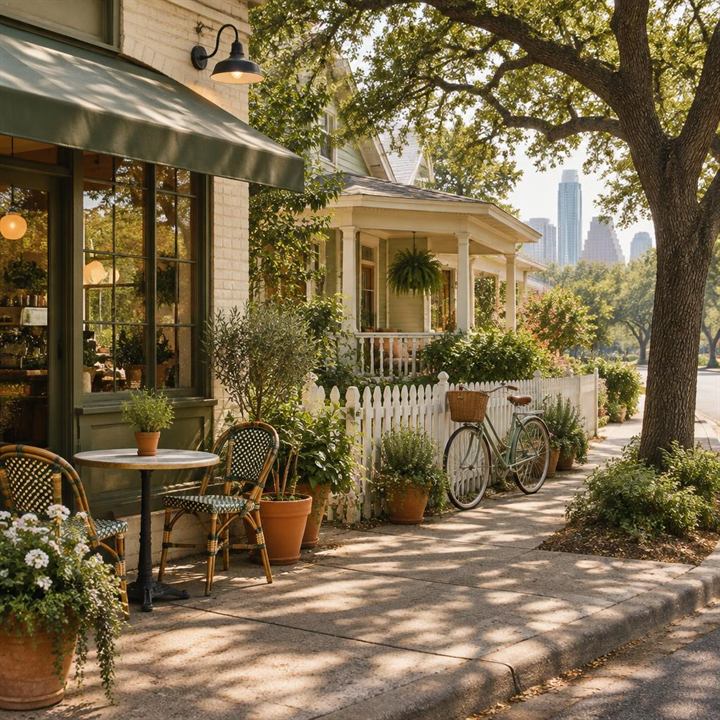
A quiet Austin street corner in the morning: a small coffee shop patio with bistro chairs, potted plants and a bicycle leaning on a white fence under large shade trees.

Neighborhood

A Morning Walk Through South Austin

There is a stretch of South Austin that is best seen at 7:30 in the morning, before the patios fill and the heat settles in. The live oaks still hold the cool air, yesterday's sidewalk chalk has not washed off, and half the block is out watering plants.

I have started walking it two or three mornings a week instead of driving to the gym. Nothing about it is efficient. I come back with an iced coffee I did not plan on and a better mood than I left with, which seems like a fair trade.

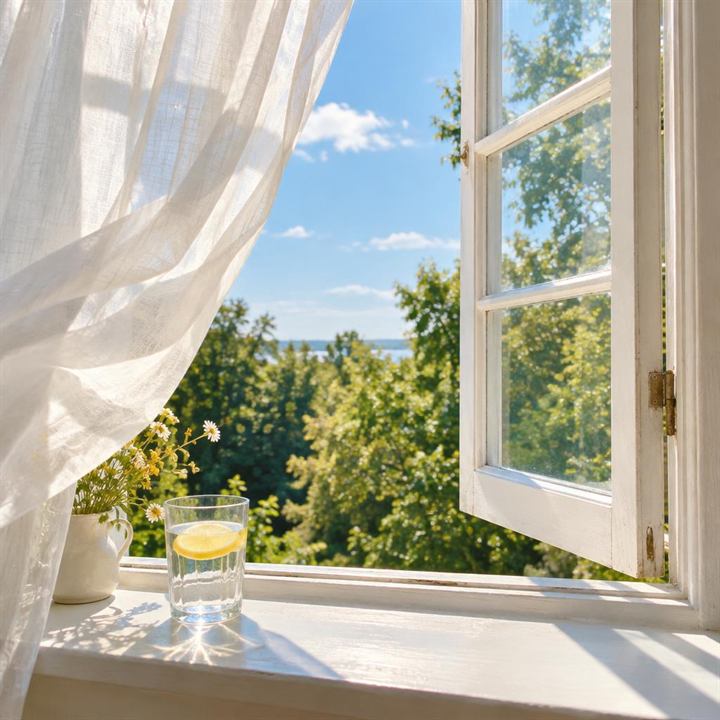
A white wooden window pushed open onto a bright morning, a sheer curtain lifting in the breeze and a glass of water with a lemon slice on the sill.

Wellness

Open a Window: A Two-Minute Reset

By three in the afternoon my apartment usually feels like it has been holding its breath since lunch. The fix that works, more often than the fancier ones, is embarrassingly basic: open a window, pour a glass of water, and stand there for two minutes.

It is not a cure for a hard day. But moving air changes a room faster than almost anything else, and standing up to do it interrupts whatever loop the afternoon has put you in. Two minutes is short enough that you cannot talk yourself out of it.

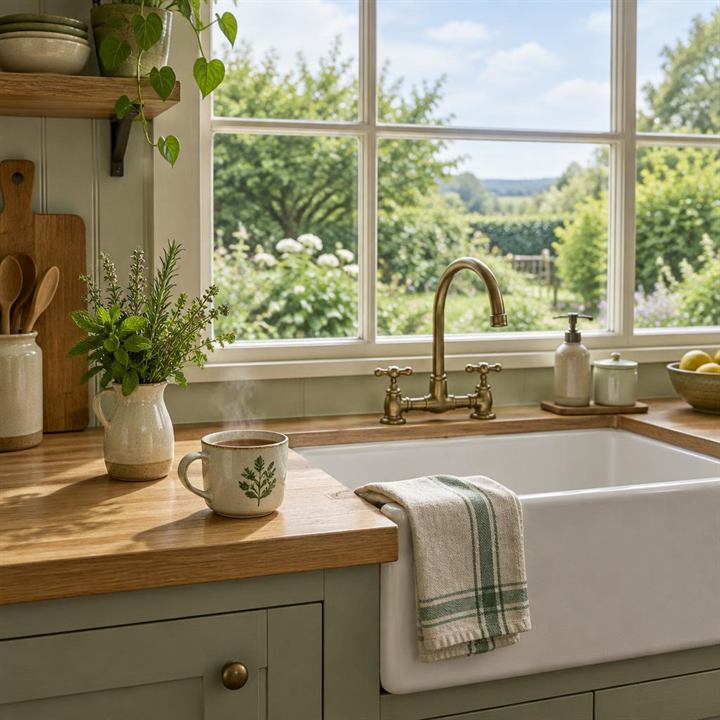
A tidy kitchen in soft daylight with clear counters, a folded dish towel on the sink, a steaming ceramic mug of tea and a small vase of fresh herbs.

Home

The Ten-Minute Kitchen Reset

A clean kitchen has a much bigger effect on my evening than it has any right to. Not spotless — clean enough. Counters cleared, sink empty, one dish towel folded over the edge.

I set a timer for ten minutes after dinner and stop when it goes off, finished or not. Most nights it takes seven. On the nights it takes all ten and still is not done, stopping anyway turns out to be fine, which was the lesson I actually needed.

Style & Thrift

Everyday clothes and secondhand finds

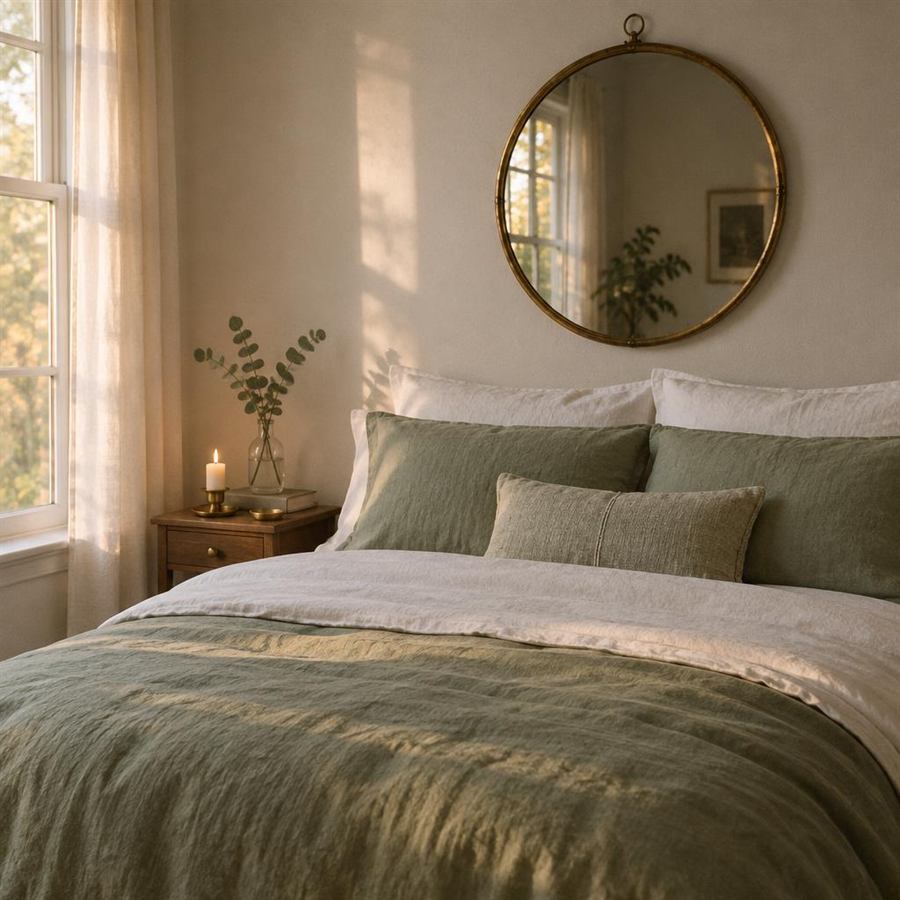
A freshly made bed with white and sage green linen sheets, a round vintage mirror in a brass frame on the wall above and a sprig of eucalyptus in a bud vase.
A fourteen-dollar brass mirror, two apartments later.

The Thrift Report

Six Things Worth Buying Secondhand — and Three That Are Not

I have been thrifting since college, at first out of necessity and now out of preference. After enough Saturdays in enough stores, a few patterns hold.

Buy secondhand: solid wood furniture, glassware, picture frames, wool and cashmere knits, ceramic serving dishes, and mirrors. All six share a quality — they were made better thirty years ago than the equivalent costs new today, and on all six, wear reads as character rather than damage.

Buy new: mattresses, upholstered seating you cannot see inside of, and non-stick cookware. The savings are not worth what you might be carrying home, and a scratched non-stick pan is not a bargain at any price.

One habit improved my hit rate more than anything else: go in with a category in mind, not a list. "Something to put plants on" finds things. "A thirty-inch walnut plant stand" finds nothing and ruins the afternoon.

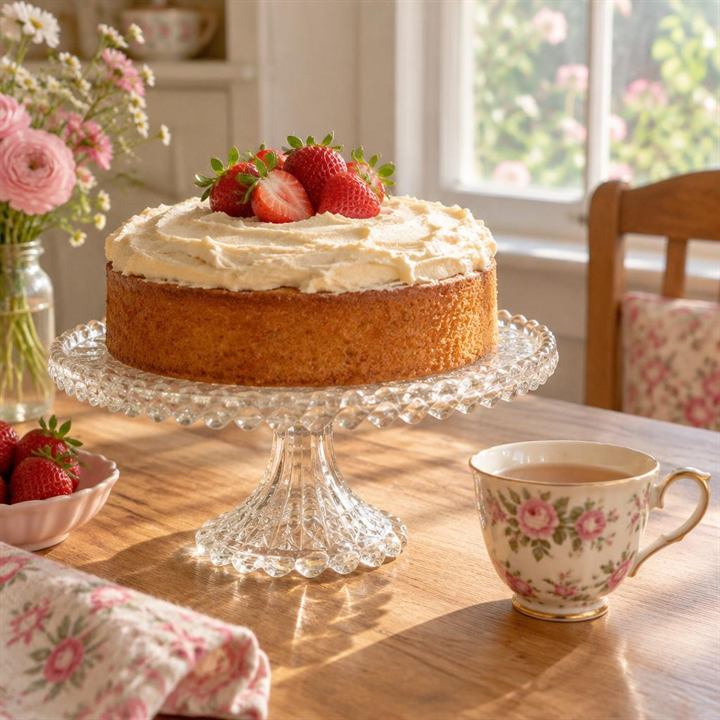
A vintage pressed-glass cake stand on a light wooden table holding a simple homemade vanilla cake topped with fresh strawberries.

A $4 Cake Stand and the Case for Everyday Occasions

I found a pressed-glass cake stand at a thrift store for four dollars, brought it home, and used it that same week for a boxed mix with strawberries on top.

It has since held muffins, three lemons and, once, a stack of mail. The point of a nice thing is not the occasion you are saving it for. Most of the good ones are Tuesdays.

A Five-Piece Uniform for a Texas September

September here is still summer wearing a cardigan. What actually works: a loose linen shirt, straight jeans that fit, a cotton tee that is not see-through, one pair of leather sandals, and a light knit for aggressively air-conditioned rooms.

That is the whole thing. I stopped shopping for outfits and started shopping for repeats, and getting dressed went from a decision to a default.

Food

Simple cooking, mostly from memory

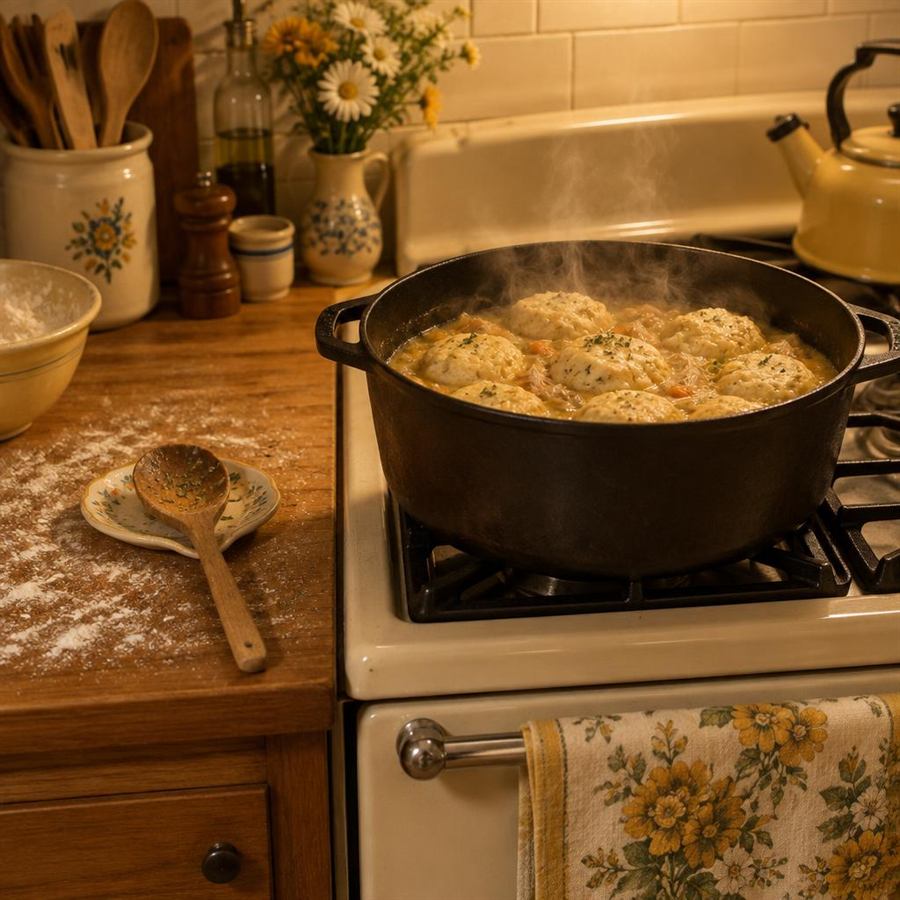
A cast iron pot of chicken and dumplings steaming on a stove, a wooden spoon resting on a ceramic plate and a flour-dusted countertop beside it.
The flat, rolled kind of dumpling — cut by hand, cooked in the broth.

From the Kitchen

Chicken and Dumplings, the Way My Grandmother Made Them

My grandmother never wrote this down. She made it on cold Sundays in Tulsa and measured everything with her hands, which is a lovely thing to watch and a terrible thing to inherit. What follows is my best reconstruction after four attempts, two phone calls to my mom, and one batch I fed to the trash.

The dumplings are the flat, rolled kind, not the fluffy dropped ones. If you grew up on the fluffy ones we can still be friends, but this is the version that smells like her kitchen.

Chicken and Dumplings

Serves 4 to 6 · About 1 hour 15 minutes · One pot

Ingredients
  • 1 whole chicken (about 4 lb), or 2 lb bone-in thighs
  • 2 carrots and 2 celery stalks, roughly chopped
  • 1 yellow onion, halved
  • 2 bay leaves, salt and black pepper
  • 2 cups all-purpose flour, plus more for rolling
  • 1 tsp baking powder and 1 tsp salt
  • 4 tbsp cold butter or shortening
  • About ¾ cup of the hot broth, plus a splash of milk
Method
  1. Simmer the chicken with the carrots, celery, onion and bay leaves in water to cover for about 45 minutes, until the meat pulls apart easily. Lift the chicken out, strain the broth back into the pot and keep it at a low simmer.
  2. Shred the meat; discard the skin and bones. Taste the broth now and salt it properly — the dumplings will not rescue an underseasoned pot.
  3. Cut the butter into the flour, baking powder and salt until the mixture looks like coarse meal. Add the hot broth a little at a time until the dough just comes together. Roll it out thin on a floured counter, about an eighth of an inch, and cut it into strips roughly one inch by two.
  4. Drop the strips into the simmering broth one at a time so they do not stick together. Cook 15 to 20 minutes, until tender and the broth has thickened. Return the chicken, add a splash of milk, and let the pot sit off the heat for five minutes before serving.

A note: it never tastes exactly like hers. I have made peace with that. The kitchen smells right, and that turns out to be most of it.

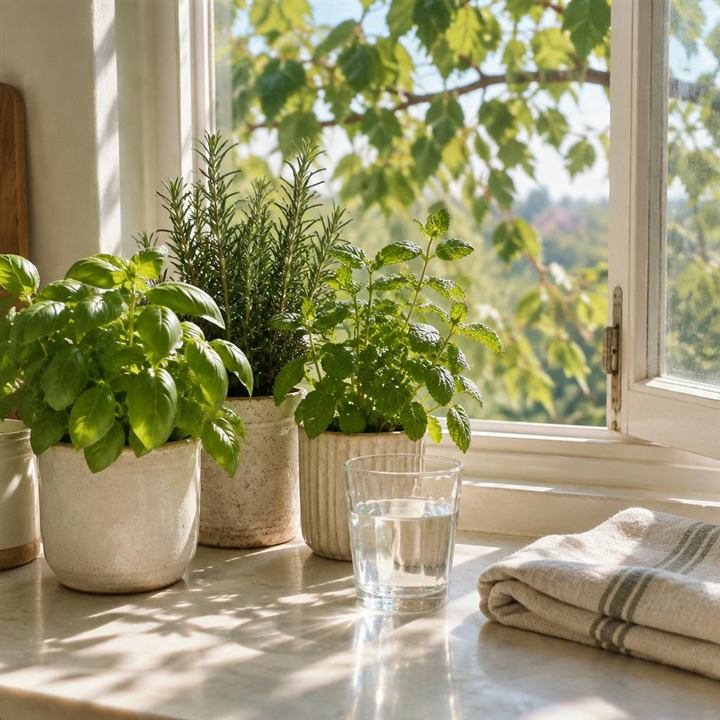
A sunny kitchen windowsill with small pots of basil, rosemary and mint, a glass of water catching the light and a folded linen dish towel.

Three Herbs Worth Growing on a Windowsill

Basil, rosemary and mint. Not because they are the best herbs, but because they are the three I actually reach for and the three that forgive a neglectful week in a hot apartment.

Basil wants the sunniest spot you have and a hard pinch above a leaf pair every week. Rosemary wants to be left alone. Mint wants its own pot, permanently, because it will take everything else if you let it.

Five Weeknight Dinners That Need No Recipe

Eggs and greens on toast. Beans with whatever is wilting in the crisper. A sheet pan of sausage and vegetables. Pasta with garlic, olive oil and the last of the parmesan. A grilled cheese with a good pickle.

The recipeless dinner is a skill rather than a shortcut, and it is built one repetition at a time. Learn five and weeknights get quiet.

Home

Rooms that actually get used

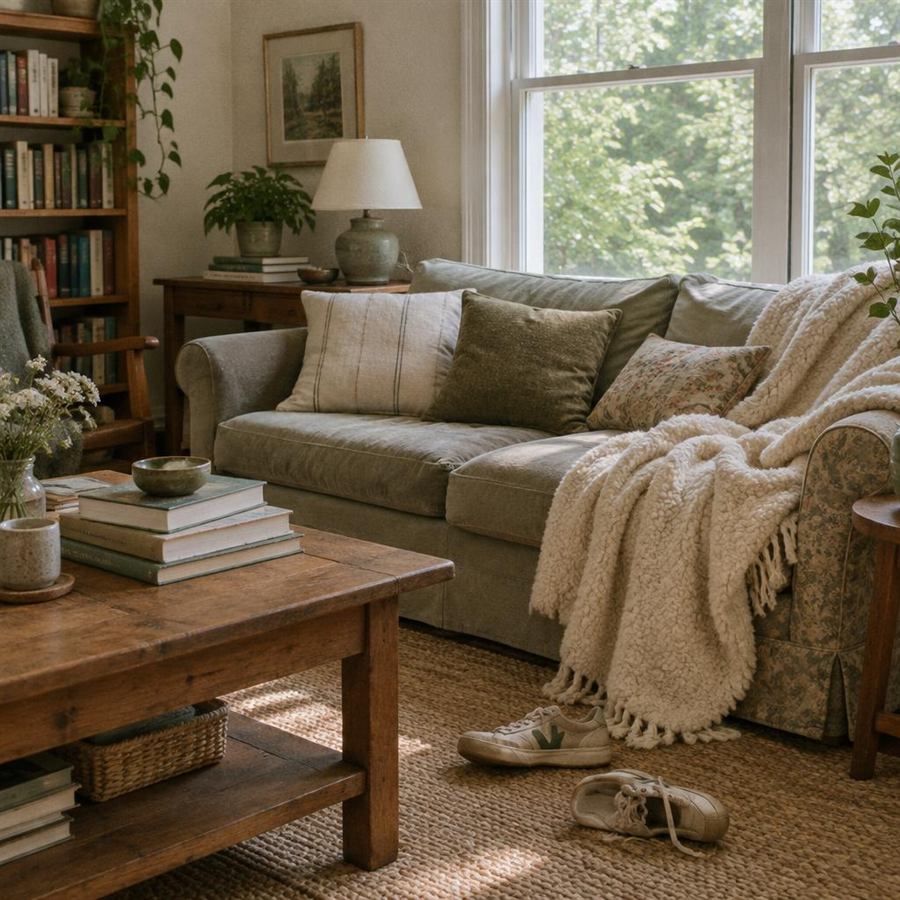
A lived-in living room corner with a slightly mismatched sofa, a cream throw blanket, shoes kicked off on a woven rug and a stack of books on a wooden coffee table.
Nothing in this corner matches. It gets used every single day.

Home & Living

Your Living Room Doesn't Have to Match

Every piece of furniture I own was bought in a different year, from a different place, for a different reason. The sofa is secondhand and slightly the wrong shade of oatmeal. The coffee table came from an estate sale. The rug was an online mistake I have grown to like.

For a long time I assumed the goal was to eventually replace all of it with one coherent set, as though adulthood arrived in a delivery truck. What happened instead is that the room got comfortable first, and I stopped wanting the catalogue version.

If you want mismatched pieces to read as intentional rather than accidental, there are really only two rules. Repeat something — a wood tone, a metal, one colour appearing in three places. And leave one surface empty; a room with a little breathing space in it looks considered no matter what the furniture cost.

The test I use now is not whether the room photographs well. It is whether people take their shoes off within five minutes of sitting down.

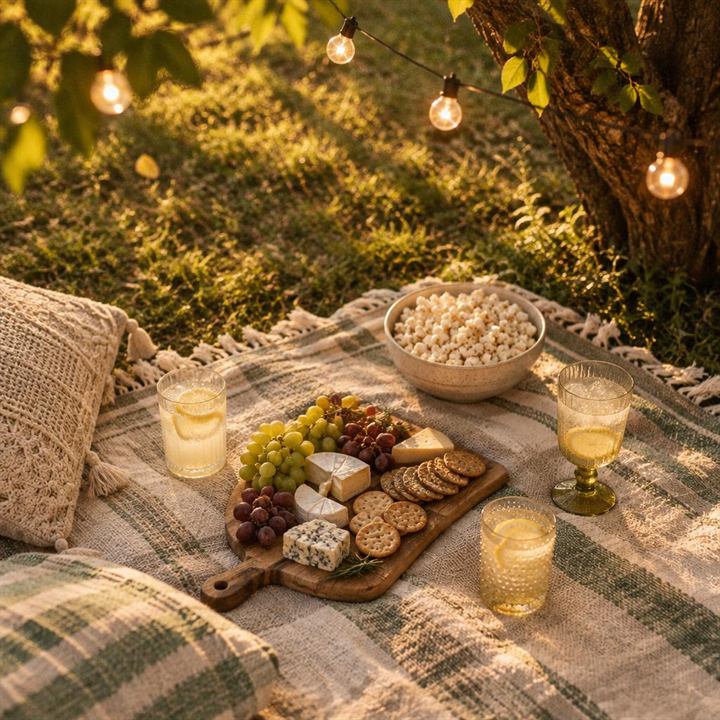
A casual backyard picnic at golden hour: a woven blanket on the grass, a board of cheese, grapes and crackers, glasses of sparkling lemonade and string lights overhead.

How to Host a Backyard Picnic on a Tuesday

The entire trick is lowering the bar until the thing actually happens. A blanket, a board of whatever is in the fridge, and a text sent the same afternoon.

Nobody has ever come over for the cheese. Three friends, one string of lights and popcorn in a mixing bowl has beaten every dinner party I have ever over-planned.

One Drawer at a Time

Decluttering an apartment is a project. Decluttering one drawer is a Tuesday. The first approach has failed me four times; the second has quietly emptied half my kitchen.

Pick the drawer you open most. Start while the kettle boils. Stop when the kettle clicks off.

Wellness

Small, unglamorous things that help

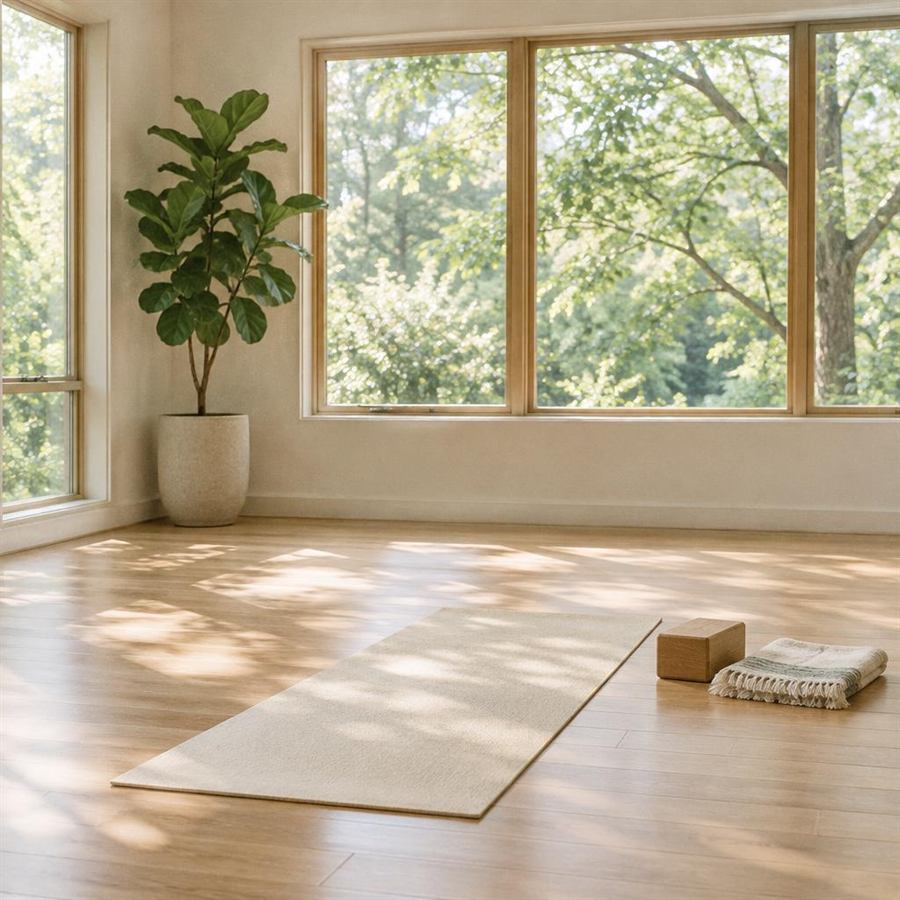
A serene yoga studio with light wooden floors, a single cream mat laid out with a block and folded blanket, and large windows showing green trees outside.
Most of what I learned in this room turned out to be useful outside of it.

Wellness

Notice Where You Are Holding Tension

My yoga teacher says a version of the same line in almost every class: notice where you are holding tension, and see whether you can let a little of it go. In the room it is usually my shoulders, or my jaw, or a set of toes gripping the mat for no reason at all.

What took me about two years to understand is that the instruction is not really about the pose. I started catching the same thing at my desk at four in the afternoon, in traffic, in the middle of a conversation I had been dreading. Same shoulders. Same jaw.

You cannot think your way out of a clenched jaw, which is the useful part. You can only notice it and soften, and then notice it again four minutes later when it comes back. That is not failure. Noticing it the fifth time is the whole practice.

I am not a teacher, and nothing here is medical advice. This is simply the one thing I picked up in a studio that has been worth the most to me outside of it.

A hammock with a knit blanket strung between two trees in a shady backyard, with a straw hat and a glass of iced water on a small wooden stool nearby.

Rest Is Not a Reward You Have to Earn

I spent years treating rest as payment for a day well spent, which meant that on the hardest days I got the least of it. That math never worked.

Rest is part of the process, not the prize at the end of it. The hammock goes up on Saturday whether or not the week deserved it.

A Walk Counts

On the days when the workout is not going to happen, twenty minutes outside still does something real for your mood, your sleep and your back.

Perfect is a high bar to clear before seven in the morning. Outside, for twenty minutes, is a low one — and low bars are the only kind I have ever cleared several days in a row.

Travel

Short trips, mostly by car

Sunrise over the high desert near Santa Fe, New Mexico: a pink and gold sky above distant blue mountains, with juniper and sage bushes catching the first light.
6:40 in the morning over the high desert. Worth the alarm.

Travel

Santa Fe at Sunrise: Two Slow Days in the High Desert

I went to Santa Fe expecting galleries and green chile, and what I came home talking about was the light. At 6:40 in the morning the whole sky over the high desert turned pink and gold, and for a few minutes nobody in the car said anything.

It is a good city for a slow trip. The historic plaza is small enough to cross in ten minutes, the galleries along Canyon Road are walkable end to end, and the museums up on Museum Hill sit close enough together to do two in an afternoon without rushing either one.

A few things I would tell a friend before they went. The city sits at roughly 7,000 feet, so drink far more water than you think you need on the first day and do not schedule anything strenuous for it. Mornings stay cold well into spring even when the afternoons are warm, so bring a layer you do not mind carrying. And if you cannot choose between red and green chile, ask for it "Christmas" — it means both.

Two days is enough for the version of this trip worth taking: one for the plaza and the galleries, one for a drive out of town and a sunrise you get up early for on purpose.

The view through a car windshield on a Southern road trip: snacks and sunglasses on the dashboard and a two-lane road lined with oaks draped in Spanish moss.

The Drive to Charleston Was the Best Part

Charleston was beautiful — the ironwork, the harbour, the oaks draped in Spanish moss on the way into town. But the part I keep thinking about is the drive.

Wrong turns, gas station snacks, one playlist on repeat and a friend in the passenger seat. Somewhere in there the trip stopped being about arriving.

How to Pack for Two Nights

One bag. Two shirts, one pair of trousers, the shoes you are already wearing and a jacket. Everything else is a rehearsal for a version of the trip that is not going to happen.

Not checking a bag, not waiting at a carousel and not unpacking a suitcase for a week afterwards is worth more than the outfit you almost wore.

About The Good Ordinary

What this is

The Good Ordinary is an independent lifestyle publication, published from Austin, Texas since 2025. We cover everyday style, simple home cooking, small-space living, low-key wellness and short trips you can take by car.

Who writes it

Everything here is written and photographed by Kayla Whitmore, who grew up in Tulsa, Oklahoma, studied communications at the University of Oklahoma and has lived in Austin since 2018. She reads every email.

How we work

We publish what we have actually cooked, worn, bought or driven to. We run no sponsored posts and no affiliate links; if that ever changes, it will be labelled at the top of the piece rather than buried at the bottom. Nothing here is medical, financial or legal advice.

Corrections & contact

We get things wrong sometimes. Write to kayla@thegoodordinary.com and we will correct the piece and note the change. The same address reaches us for questions, permissions and press.